What is the best protein for menopause?
Menopause Explainer Hub

The best protein for menopause is plant-based, easy to digest, and formulated for hormonal changes — not gym performance. After 40, estrogen decline affects how the body processes protein, making heavy dairy-based proteins harder to tolerate. A menopause-specific protein supports muscle retention, energy, and metabolism without worsening bloating or hot flashes.
Why protein needs change during menopause
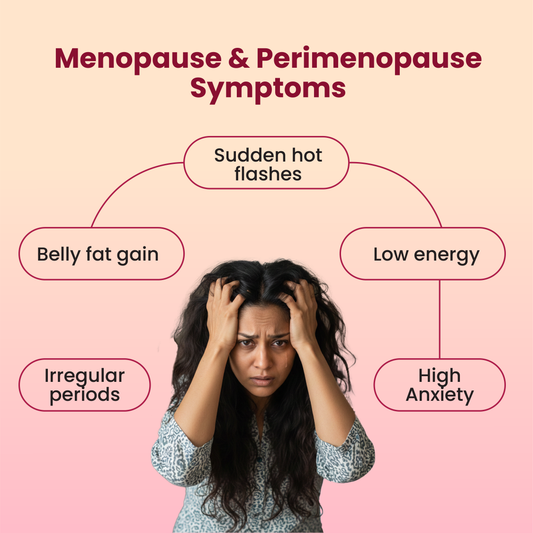
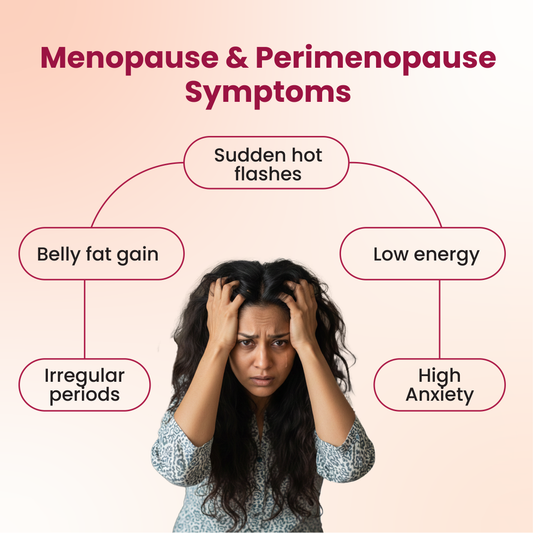
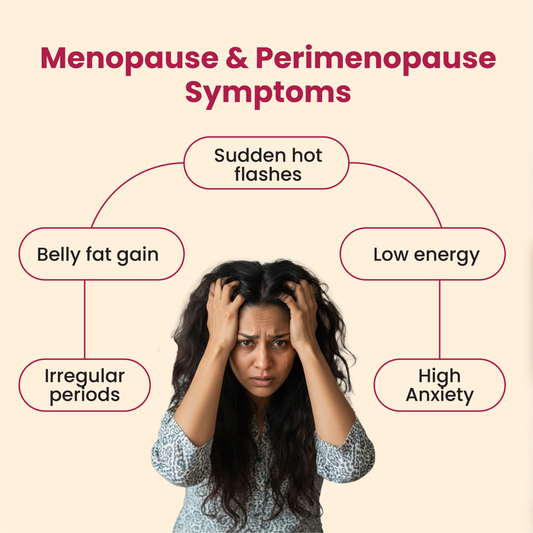
Many women notice after 40 that protein suddenly feels heavy or uncomfortable, bloating increases even with foods they have always eaten, energy dips despite eating enough, muscle tone reduces faster than expected, and weight gain feels stubborn and unexplained. This is not because protein is bad. It is because the body processes it differently in midlife. Estrogen plays a role in digestion, gut motility, muscle maintenance, and insulin sensitivity. When estrogen drops, protein digestion and utilisation become less efficient — especially with heavier or highly processed proteins.
Why most protein powders don’t work well in menopause
Most protein products are designed for younger bodies with intense workout schedules, faster metabolisms, and higher digestive tolerance. They prioritise high grams per serving, muscle bulking, and performance recovery. Menopausal bodies need something different. Whey and heavy dairy proteins can worsen bloating that is already heightened during menopause. Highly concentrated proteins can strain a digestive system that is working with lower estrogen and slower gut motility. Sugar alcohols and artificial flavour systems commonly used in mainstream protein powders trigger gut discomfort in many midlife women. Generic formulations simply ignore hormonal inflammation altogether — which is why many women give up on protein entirely, when what they actually need is the right kind.
What to look for in the best protein for menopause
The best protein for menopause should prioritise function over intensity.
Here’s what matters most:
1. Digestibility
Protein should feel light, not heavy.
If digestion is strained, the body can’t use protein effectively—no matter how “clean” it looks on the label.
2. Hormone Awareness
Menopause isn’t just about age, it’s about hormonal shifts.
Protein should support muscle and energy without increasing internal stress or inflammation.
3. Muscle Preservation, Not Bulking
After 40, women lose muscle faster due to declining estrogen.
Protein should help maintain lean mass and metabolic health—not push aggressive muscle gain.
4. Daily, Sustainable Use
The best protein for menopause is one you can take every day, comfortably, without digestive fatigue.
Consistency matters more than quantity.
Is plant protein better for menopausal women?
For many women in perimenopause and menopause, plant protein is better tolerated than whey. It is generally gentler on digestion, creates less inflammatory response, suits slower gut motility, and can be formulated to work with rather than against hormonal changes. That said, not all plant proteins are equal. Quality, formulation, and how ingredients are blended matter far more than simply having a plant-based label on the packaging.
How protein helps during menopause (When Done Right)
When the right protein is used consistently, it can:
-
Support muscle retention
-
Improve energy levels
-
Stabilise blood sugar
-
Support metabolism
-
Reduce cravings driven by fatigue
Protein during menopause isn’t about weight loss. It’s about metabolic stability and strength.
Where Gytree fits in
At Gytree, we built our menopause-focused protein after listening to thousands of women who said the same thing:
“I know I need protein, but my body doesn’t like it anymore.”
Our formulation is designed specifically for women in perimenopause and menopause, keeping digestion, hormones, and daily comfort at the centre, not fitness extremes.
It isn’t positioned as a gym supplement. It’s designed as a daily nutritional support for midlife women.
From the founder
“I kept hearing women blame themselves—thinking they were doing something wrong—when in reality, nutrition products weren’t designed for their life stage. This protein exists to meet women where their bodies are now, not where the industry thinks they should be.”
— Shaili Chopra, Founder, Gytree
Frequently asked questions
Yes and it becomes more important, not less. Declining estrogen accelerates muscle loss, slows metabolism, and reduces the body's ability to use protein efficiently. The key is choosing a protein that is easy to digest and formulated for hormonal changes, not one designed for high-intensity athletic performance.
Most menopause nutritionists recommend 1.0 to 1.2 grams of protein per kilogram of body weight per day, slightly higher than the general adult recommendation. For a woman weighing 65 kilograms, that is approximately 65 to 78 grams daily. Spreading intake across two to three meals is more effective than taking a large dose at once, as the body can only absorb and use a limited amount per sitting.
Poorly formulated proteins can. Whey protein and products containing artificial sweeteners, sugar alcohols, or high levels of additives have been reported to increase digestive discomfort and internal heat in some menopausal women. A clean, plant-based protein without gums, fillers, or artificial flavour systems should not worsen hot flashes and may help stabilise blood sugar fluctuations that can trigger them.
Yes. Consistent daily intake produces significantly better results than sporadic high doses. During menopause, the body is managing ongoing hormonal change — it needs steady nutritional support, not occasional large amounts. A moderate daily serving that your body tolerates well is more valuable than a high-dose product you use inconsistently because it causes discomfort.
Final takeaway
The best protein for menopause isn’t the strongest, trendiest, or most aggressive formula. It’s the one that supports your changing body gently, consistently, and intelligently.
-

Their plant-based protein powders are a hit with the 25-42 age
-

Made headlines in the industry with India's first peri/menopause protein
-

Gytree Is Reimagining Female Care In India
-

Among the best protein powders for women
-

Iron gummies that work. Ingredients that are clinically tested


More on menopause
View all-

Why Do I Wake Up at 3am During Perimenopause?
Waking at 3am during perimenopause is directly caused by declining estrogen and progesterone disrupting the sleep architecture — specifically the deep sleep and REM cycles that sustain uninterrupted rest. Estrogen...
Why Do I Wake Up at 3am During Perimenopause?
Waking at 3am during perimenopause is directly caused by declining estrogen and progesterone disrupting the sleep architecture — specifically the deep sleep and REM cycles that sustain uninterrupted rest. Estrogen...
-

What Is the Average Age of Menopause in India?
The average age of menopause in India is 46 to 47, two to three years earlier than the global average of 51. Indian women also tend to experience a shorter...
What Is the Average Age of Menopause in India?
The average age of menopause in India is 46 to 47, two to three years earlier than the global average of 51. Indian women also tend to experience a shorter...
-

What Is Perimenopause and How Do I Know I Am in It?
Perimenopause usually begins between the late 30s and mid-40s for Indian women, which is earlier than the global average. The most common early signs are irregular periods, mood changes, sleep...
What Is Perimenopause and How Do I Know I Am in It?
Perimenopause usually begins between the late 30s and mid-40s for Indian women, which is earlier than the global average. The most common early signs are irregular periods, mood changes, sleep...


Top picks to try now
-
Complete Menopause Kit for Women 40+
Regular price Rs. 3,287.00Regular priceUnit price perRs. 3,887.00Sale price Rs. 3,287.00★ 11k+ bought it ★
Sale -

 Bestseller
Total Menopause Support
Regular price Rs. 1,999.00Regular priceUnit price perRs. 2,199.00Sale price Rs. 1,999.00★ 11k+ bought it ★
Sale -

 Bestseller
Gytree Forty Plus Women
Regular price Rs. 640.00Regular priceUnit price perRs. 889.00Sale price Rs. 640.00★ 7k+ bought it ★
Sale -
Daily Menopause Nutrition Duo
Regular price Rs. 2,499.00Regular priceUnit price per★ 3k+ bought it ★