IBS and Perimenopause for women over 40
The Short Answer

Why do digestive symptoms worsen during perimenopause?
Digestive symptoms worsen during perimenopause because declining estrogen directly affects gut motility, the intestinal lining, and the gut microbiome. For women already living with IBS, this hormonal shift often intensifies symptoms significantly. Bloating, constipation, unpredictable bowel movements, and increased food sensitivities are not coincidental — they are a direct consequence of the gut navigating estrogen fluctuation.
Common Digestive Changes Women Notice
During perimenopause, many women report increased bloating and gas, persistent constipation, or alternating constipation and diarrhoea. Some feel heavy or uncomfortable after meals they once tolerated easily. Food sensitivities increase, and digestion often feels sluggish, particularly in the evenings. These changes are not simply due to stress or ageing. They are rooted in hormonal shifts that alter how the gut moves, absorbs nutrients, and communicates with the brain.
Why IBS Symptoms Feel More Unpredictable
Hormonal fluctuations during perimenopause are not steady or predictable. Estrogen can spike one month and crash the next, which makes IBS symptoms feel random and impossible to manage. A woman may feel completely fine one week and severely bloated or constipated the next, with no dietary change to explain it. Stress amplifies this further. The gut-brain connection is especially sensitive during hormonal transitions, making emotional stress a powerful IBS trigger in midlife in a way it may not have been before.
What Helps Alleviate IBS During Perimenopause
Managing IBS during perimenopause requires a holistic approach rather than treating the gut in isolation. Gradually increasing soluble fibre, staying well hydrated, and eating at regular intervals support gut motility. Gentle movement — walking, yoga, or stretching — helps stimulate digestion and reduce stress simultaneously. Stress management is critical: breathing exercises, mindfulness, and protecting sleep quality all help calm the gut-brain axis. Probiotics and fermented foods may help restore microbial balance, though responses vary between individuals and it is worth introducing them gradually rather than all at once. Many women find that heavy or dairy-based proteins worsen bloating, while plant-based protein blends formulated for midlife digestion are significantly easier to tolerate.
Supporting the Midlife Gut
As digestion becomes more sensitive after 40, nutrition designed specifically for this phase makes a tangible difference. Plant-based, easy-to-digest protein supports intake without aggravating IBS symptoms. Gytree's menopause-focused plant protein blends are formulated with midlife gut health in mind — offering nourishment that is gentle on the stomach while supporting strength, energy, and hormonal transitions. For women managing multiple menopause symptoms at once, a protein that does not add to digestive burden is not optional. It is the baseline.
Frequently asked questions
Perimenopause does not cause IBS, but the hormonal fluctuations of this phase can significantly worsen existing IBS symptoms or surface digestive sensitivity that was previously mild and manageable. Women who never identified as having IBS before their 40s sometimes find that perimenopause reveals a gut sensitivity that was always there but previously compensated for by more stable hormones.
Declining estrogen slows gut motility and alters the composition of the gut microbiome, both of which lead to gas buildup, slower transit, and increased bloating. Reduced digestive enzyme output compounds this further. The result is that foods — including proteins and fibres that were previously well tolerated — begin to cause discomfort that feels new and unexplained.
Yes. Reduced estrogen affects the speed of bowel movements and the muscle tone of the gut wall, making constipation more common during perimenopause and menopause. Reduced physical activity, lower water intake, and increased stress — all common during this life stage — can compound the problem further.
Yes, strongly. IBS symptoms are significantly influenced by estrogen and progesterone, which is why many women notice their IBS fluctuates with their menstrual cycle and worsens during perimenopause. The gut has estrogen receptors throughout its lining, meaning hormonal change has a direct physiological effect on gut behaviour — it is not psychological.
They can. Probiotics help restore the microbial balance that estrogen decline disrupts, and some women notice meaningful improvement in bloating, regularity, and gut comfort. Results vary between individuals and between probiotic strains. Introducing them gradually at a lower dose before building up tends to produce better tolerance and more consistent results.
Yes, particularly if symptoms are new, severe, rapidly worsening, or accompanied by blood in stool, unintended weight loss, or persistent pain. A healthcare provider can rule out other conditions — including coeliac disease, inflammatory bowel disease, and colorectal issues — that can present similarly to IBS during perimenopause. Do not assume all new digestive symptoms are hormonal without ruling out other causes first.
Final takeaway
IBS during perimenopause is not imagined and it is not a personal failure. It is the result of a gut navigating significant hormonal change. With the right nutrition, movement, and stress support, digestive confidence is recoverable.
-

Their plant-based protein powders are a hit with the 25-42 age
-

Made headlines in the industry with India's first peri/menopause protein
-

Gytree Is Reimagining Female Care In India
-

Among the best protein powders for women
-

Iron gummies that work. Ingredients that are clinically tested


More on menopause
-

Navigating midlife: Shubhra Mishra’s perimenopause
At 42, Shubhra Mishra believed she had a firm grip on her life. A thriving professional, a dedicated mother of two teenagers, and an active community member, she excelled at...
Navigating midlife: Shubhra Mishra’s perimenopause
At 42, Shubhra Mishra believed she had a firm grip on her life. A thriving professional, a dedicated mother of two teenagers, and an active community member, she excelled at...
-

Perimenopause protein for women over 40
Gytree, a pioneer in women’s health, has launched India’s first Perimenopause Protein specifically designed for women over 40. The new product caters to specific needs as far as women's health...
Perimenopause protein for women over 40
Gytree, a pioneer in women’s health, has launched India’s first Perimenopause Protein specifically designed for women over 40. The new product caters to specific needs as far as women's health...
-

The unexpected: Kanchan Johri's journey of perimenopause
At 38, Kanchan Johri had a clear vision for her family: she wanted to give her five-year-old son a sibling. However, her journey took an unexpected turn when she discovered...
The unexpected: Kanchan Johri's journey of perimenopause
At 38, Kanchan Johri had a clear vision for her family: she wanted to give her five-year-old son a sibling. However, her journey took an unexpected turn when she discovered...


Top picks to try now
-
Complete Menopause Kit for Women 40+
Regular price Rs. 3,287.00Regular priceUnit price perRs. 3,887.00Sale price Rs. 3,287.00★ 11k+ bought it ★
Sale -

 Bestseller
Total Menopause Support for Women 40+
Regular price Rs. 1,999.00Regular priceUnit price perRs. 2,199.00Sale price Rs. 1,999.00★ 11k+ bought it ★
Sale -
 Bestseller
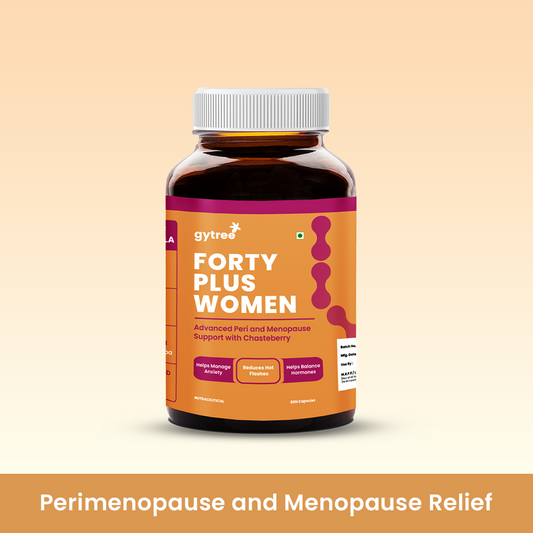
Gytree Forty Plus Women
Regular price Rs. 640.00Regular priceUnit price perRs. 889.00Sale price Rs. 640.00★ 7k+ bought it ★
Sale -
Daily Menopause Nutrition Duo
Regular price Rs. 2,499.00Regular priceUnit price per★ 3k+ bought it ★