Is plant protein better for women over 40?
The Short Answer

For most women over 40, yes. Declining estrogen slows digestion, increases gut sensitivity, and raises inflammatory response — all of which make heavy, dairy-based proteins harder to tolerate. A plant protein blend formulated specifically for midlife hormonal changes supports muscle, energy, and metabolism without the bloating or discomfort that causes many women to give up on protein altogether.
Why Protein Tolerance Changes After 40
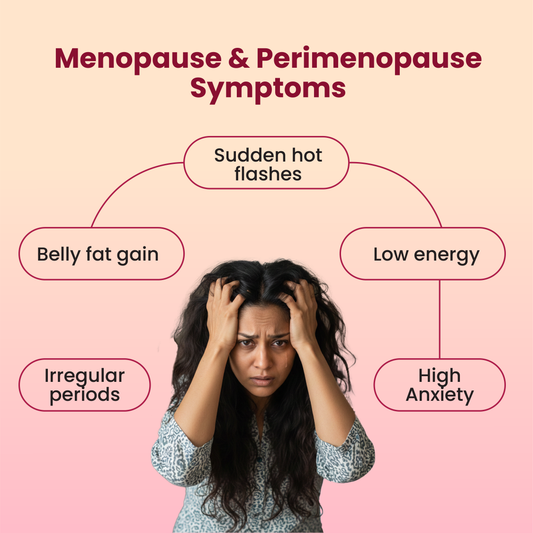
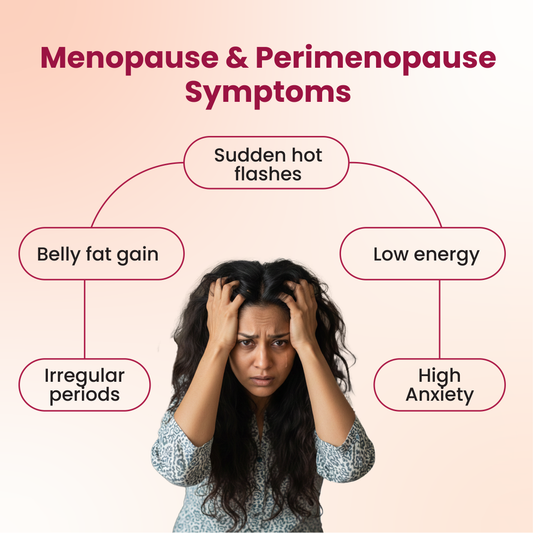
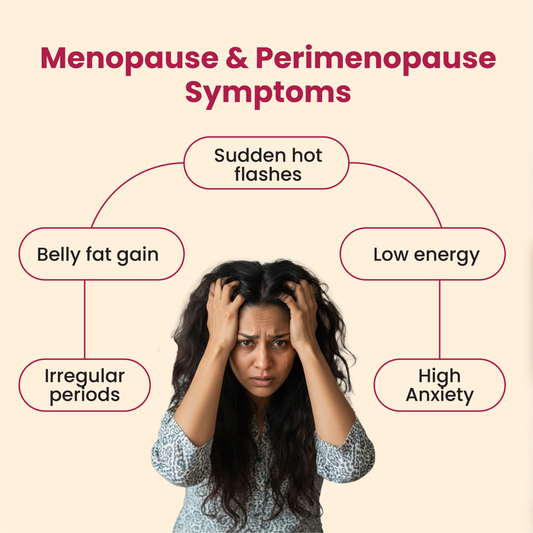
As women move through their late 30s and 40s, hormonal shifts — especially fluctuating estrogen — begin to affect how the body responds to food. Digestion slows, gut sensitivity increases, inflammatory response rises, and enzyme efficiency reduces. Foods that felt easy earlier in life can suddenly feel heavy or uncomfortable. Protein is often the first place women notice this change. This does not mean protein is no longer needed. It means protein needs to work with the body, not against it.
Why Whey Protein Can Feel Heavy After 40
Whey protein is fast-digesting and highly concentrated — suited to younger bodies and intense training schedules. It does not always align with midlife digestion. Many women over 40 find that whey causes bloating, gas, and a heaviness in the stomach that was not there before. This is not a universal rule but it is consistent enough to matter. As estrogen levels shift, the gut can struggle with dense, dairy-based proteins — particularly in large servings or on an empty stomach. For women already managing perimenopause symptoms, adding digestive discomfort on top is simply not a trade-off worth making.
Why Plant Protein Is Often Easier in Midlife
Plant protein digests more gradually and gently, which suits the changing physiology of women over 40. It creates a lower inflammatory load, is better tolerated during hormonal fluctuation, and causes significantly less digestive stress over time. Crucially, it allows for formulations designed around daily comfort and hormonal support — not short-term performance. For women managing multiple menopause symptoms at once, a protein that does not add to their digestive burden is not a luxury. It is the baseline requirement.
But Not All Plant Proteins Are the Same
Plant protein is not automatically better as formulation is everything. A poorly blended plant protein can cause bloating if fibres are poorly balanced, or lack amino acid completeness. The benefit comes from how plant proteins are blended, processed, and what they are combined with. A midlife-specific plant protein blend that pairs the right protein sources with ingredients that actively support hormonal health — adaptogens, anti-inflammatory herbs, targeted micronutrients — delivers something that a standard plant protein simply cannot. This is the difference between a protein that happens to be plant-based and one that is genuinely built for menopause.
Muscle, Strength, and Protein After 40
One of the biggest concerns after 40 is accelerating muscle loss. Estrogen plays a direct role in maintaining muscle mass, and as it declines, muscle breakdown increases, recovery slows, and strength reduces more quickly than most women expect. Protein remains essential at this stage — but the goal is not muscle bulking. It is preservation, metabolic stability, and daily strength. A well-designed plant protein blend can support this without digestive overload, and when combined with the right nutritional support for hormonal health, it becomes part of a broader strategy for thriving through menopause rather than just surviving it.
Is Plant Protein Enough for Women Over 40?
Yes — when formulated correctly and used as part of a complete approach to midlife nutrition. Protein alone does not address every aspect of menopause. Women over 40 often need targeted support across multiple areas — bone health, energy, mood, sleep, and hormonal balance — alongside their protein intake. A plant protein blend designed for menopause works best when it sits within a wider nutritional framework that accounts for all of these needs, not just muscle maintenance in isolation.
Where Gytree Fits In
At Gytree, we design nutrition specifically for women in midlife — not for gym culture or performance extremes. Our plant protein blend is formulated for women in perimenopause and menopause, with digestion, hormonal change, and daily comfort at the centre. It is one part of a broader range of nutritional support that includes supplements, gummies, and health programmes designed to address menopause comprehensively — because protein is important, but it is rarely the only thing a midlife woman needs. Women come to Gytree because they want nutrition that understands where their body actually is, not where the industry assumes it should be.
From the Founder
“Women often assume discomfort is the price of doing the ‘right thing’ nutritionally. It isn’t. When you understand hormonal change, you realise nutrition needs to adapt with the body—not fight it.”
— Shaili Chopra, Founder, Gytree
Frequently asked questions
For most women going through perimenopause or menopause, yes. The hormonal changes of midlife reduce digestive efficiency and increase gut sensitivity in ways that make heavy, dairy-based proteins harder to tolerate. A plant protein blend formulated for these changes is not just easier on digestion — it is actively better suited to what the body needs at this stage.
Yes, provided it is properly formulated with a complete amino acid profile. After 40, the priority is preserving muscle mass and metabolic function rather than building bulk. A good plant protein blend — taken consistently every day — supports this goal effectively. Consistency matters more than quantity at this life stage.
Most women who switch from whey to a well-formulated plant protein blend notice a significant reduction in bloating within one to two weeks. The key word is formulated — a plant protein that contains poorly balanced fibres, gums, or artificial sweeteners can still cause discomfort. Quality of ingredients and how they are blended matters as much as the protein source itself.
Not necessarily, but if whey is causing bloating, digestive discomfort, or heaviness, it is a clear signal that it is not working well with your current hormonal profile. Switching to a plant-based blend formulated for midlife is usually the most straightforward solution. Most women who make this switch do not go back.
Yes — and daily use is exactly the point. Menopause is not a short-term condition. The nutritional support around it needs to be sustainable, comfortable, and consistent. A plant protein blend designed for midlife should be something you can take every day without digestive fatigue, discomfort, or the need to take breaks. If your protein requires willpower to keep taking, it is the wrong protein.
Final takeaway
Plant protein isn’t a trend for women over 40. For many, it’s simply a better match for a changing body.
-

Their plant-based protein powders are a hit with the 25-42 age
-

Made headlines in the industry with India's first peri/menopause protein
-

Gytree Is Reimagining Female Care In India
-

Among the best protein powders for women
-

Iron gummies that work. Ingredients that are clinically tested


More on menopause
View all-

Why Do I Wake Up at 3am During Perimenopause?
Waking at 3am during perimenopause is directly caused by declining estrogen and progesterone disrupting the sleep architecture — specifically the deep sleep and REM cycles that sustain uninterrupted rest. Estrogen...
Why Do I Wake Up at 3am During Perimenopause?
Waking at 3am during perimenopause is directly caused by declining estrogen and progesterone disrupting the sleep architecture — specifically the deep sleep and REM cycles that sustain uninterrupted rest. Estrogen...
-

What Is the Average Age of Menopause in India?
The average age of menopause in India is 46 to 47, two to three years earlier than the global average of 51. Indian women also tend to experience a shorter...
What Is the Average Age of Menopause in India?
The average age of menopause in India is 46 to 47, two to three years earlier than the global average of 51. Indian women also tend to experience a shorter...
-

What Is Perimenopause and How Do I Know I Am in It?
Perimenopause usually begins between the late 30s and mid-40s for Indian women, which is earlier than the global average. The most common early signs are irregular periods, mood changes, sleep...
What Is Perimenopause and How Do I Know I Am in It?
Perimenopause usually begins between the late 30s and mid-40s for Indian women, which is earlier than the global average. The most common early signs are irregular periods, mood changes, sleep...


Top picks to try now
-
Complete Menopause Kit for Women 40+
Regular price Rs. 3,287.00Regular priceUnit price perRs. 3,887.00Sale price Rs. 3,287.00★ 11k+ bought it ★
Sale -

 Bestseller
Total Menopause Support
Regular price Rs. 1,999.00Regular priceUnit price perRs. 2,199.00Sale price Rs. 1,999.00★ 11k+ bought it ★
Sale -

 Bestseller
Gytree Forty Plus Women
Regular price Rs. 640.00Regular priceUnit price perRs. 889.00Sale price Rs. 640.00★ 7k+ bought it ★
Sale -
Daily Menopause Nutrition Duo
Regular price Rs. 2,499.00Regular priceUnit price per★ 3k+ bought it ★