Why does protein cause bloating after 40?
The Short Answer

Protein causes bloating after 40 because declining estrogen slows gut motility, reduces digestive enzyme output, and increases gut sensitivity. The protein itself has not changed — your body's ability to break it down has. Heavier, dairy-based proteins are most likely to cause discomfort. Switching to a lighter, plant-based protein formulated for midlife digestion usually resolves it.
Why This Happens More Often After 40
In your 20s and 30s, digestion is faster, enzyme production is higher, and hormonal levels are more stable. After 40, the same protein load can overwhelm a digestive system that is working with less estrogen and slower gut motility. Foods that were once completely safe start causing bloating. This shift often coincides with perimenopause beginning — sometimes even before periods change — alongside increased stress, disrupted sleep, and changes in physical activity. Protein becomes harder to tolerate not because it is harmful, but because it is no longer matched to your body's needs.
The Role of Hormones in Protein Digestion
Estrogen plays a quiet but important role in digestion. It helps regulate gut movement, supports enzyme activity, maintains gut lining integrity, and reduces inflammatory response. When estrogen fluctuates or drops, food sits longer in the gut, proteins take longer to break down, and gas and bloating increase. Discomfort appears even with foods that were previously well tolerated. This is why protein — especially dense or fast-digesting varieties — can suddenly feel heavy or uncomfortable after 40.
Why Protein Was Fine Before, But Not Now
In your 20s and 30s, digestion is faster, enzyme production is higher, and hormonal levels are more stable. After 40, the same protein load can overwhelm a digestive system that is working with less estrogen and slower gut motility. Foods that were once completely safe start causing bloating. This shift often coincides with perimenopause beginning — sometimes even before periods change — alongside increased stress, disrupted sleep, and changes in physical activity. Protein becomes harder to tolerate not because it is harmful, but because it is no longer matched to your body's needs.
Which Proteins Are More Likely to Cause Bloating After 40?
Certain types of protein are more commonly associated with bloating in midlife. Very dense protein isolates, dairy-heavy and whey-based proteins, highly sweetened or flavoured powders, products containing sugar alcohols or gums, and large single servings taken all at once are the most frequent culprits. These can ferment in the gut or sit undigested for longer, leading to gas, pressure, and sustained discomfort throughout the day.
Why Many Women Quit Protein (And Why That Backfires)
Because bloating feels uncomfortable, many women respond by reducing protein intake, skipping supplements altogether, or eating smaller meals without enough protein. This tends to backfire. Cutting protein during menopause accelerates muscle loss, lowers energy, increases cravings, and slows metabolism further. The issue is not that protein is no longer needed — it is that it needs to be gentler and better suited to midlife digestion.
How to Reduce Protein Bloating After 40
If protein causes bloating, the goal is adjustment, not elimination. Choosing easier-to-digest protein sources, splitting intake across the day rather than taking it all at once, avoiding very large single servings, and paying attention to formulation rather than just gram count all make a meaningful difference. Supporting digestion alongside protein intake — through hydration, movement, and gut-friendly foods — also helps. For many women, switching to a protein designed with midlife digestion in mind resolves the problem entirely.
Is Plant Protein Easier to Digest After 40?
Many women find that plant-based protein feels lighter and more comfortable during perimenopause and menopause. It digests more slowly and gently, creates less inflammatory response, and tends to be better tolerated during hormonal fluctuation. This does not mean all plant proteins are suitable — quality and formulation still matter — but thoughtfully blended plant-based options are consistently better tolerated than heavy, dairy-based proteins at this life stage.
Where Gytree Fits In
At Gytree, we repeatedly heard women say: "I want the benefits of protein — but not the bloating." Our protein formulations are designed with midlife digestion in mind, hormonal changes accounted for, and daily comfortable use as the goal. They are not built for aggressive fitness outcomes, but for consistent nourishment during perimenopause and menopause.
From the Founder
“Women are often told to ‘push through’ discomfort or assume bloating is normal. It isn’t. Once you understand how hormones affect digestion, you realise the problem isn’t protein—it’s mismatch.”
— Shaili Chopra, Founder, Gytree
Frequently asked questions
Yes, and it is more common than most women realise. Hormonal changes during perimenopause reduce digestive efficiency, making the gut more sensitive to proteins that were previously well tolerated. It is a physiological shift, not a personal failing.
No. Protein becomes more important after 40, not less — the body needs more of it to maintain muscle mass as estrogen declines. The type and formulation need to change, not the habit. Switching to a lighter, plant-based protein designed for midlife digestion is usually enough to resolve the discomfort.
For many women, yes. Whey is dairy-derived, and dairy tolerance often decreases during menopause as gut motility slows and enzyme production reduces. Women who never had issues with dairy in their 20s and 30s frequently find it causes bloating, gas, or discomfort after 40.
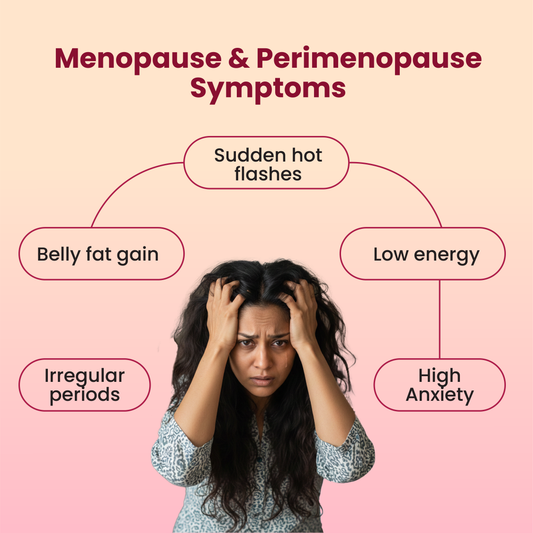
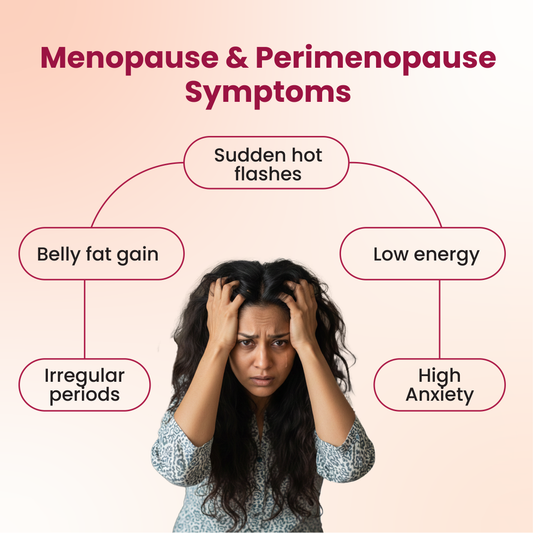
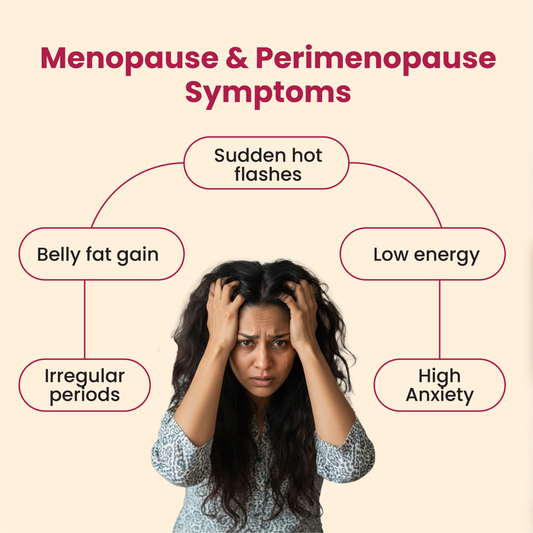
It can be. Digestive symptoms — including bloating, increased food sensitivities, and changes in bowel habits — often appear in early perimenopause before more commonly recognised symptoms like irregular periods or hot flashes. This is because estrogen's influence on the gut begins to change early in the hormonal transition.
Yes, and for most women the improvement is noticeable within one to two weeks. Moving from a whey or dairy-based protein to a plant-based protein formulated without sugar alcohols, gums, or artificial sweeteners typically reduces bloating significantly. Splitting the serving across two smaller doses rather than one large one also helps.
Final takeaway
If protein causes bloating after 40, it’s not a failure of discipline or willpower. It’s your body asking for nutrition that understands hormonal change.
-

Their plant-based protein powders are a hit with the 25-42 age
-

Made headlines in the industry with India's first peri/menopause protein
-

Gytree Is Reimagining Female Care In India
-

Among the best protein powders for women
-

Iron gummies that work. Ingredients that are clinically tested


More on menopause
View all-

Why Do I Wake Up at 3am During Perimenopause?
Waking at 3am during perimenopause is directly caused by declining estrogen and progesterone disrupting the sleep architecture — specifically the deep sleep and REM cycles that sustain uninterrupted rest. Estrogen...
Why Do I Wake Up at 3am During Perimenopause?
Waking at 3am during perimenopause is directly caused by declining estrogen and progesterone disrupting the sleep architecture — specifically the deep sleep and REM cycles that sustain uninterrupted rest. Estrogen...
-

What Is the Average Age of Menopause in India?
The average age of menopause in India is 46 to 47, two to three years earlier than the global average of 51. Indian women also tend to experience a shorter...
What Is the Average Age of Menopause in India?
The average age of menopause in India is 46 to 47, two to three years earlier than the global average of 51. Indian women also tend to experience a shorter...
-

What Is Perimenopause and How Do I Know I Am in It?
Perimenopause usually begins between the late 30s and mid-40s for Indian women, which is earlier than the global average. The most common early signs are irregular periods, mood changes, sleep...
What Is Perimenopause and How Do I Know I Am in It?
Perimenopause usually begins between the late 30s and mid-40s for Indian women, which is earlier than the global average. The most common early signs are irregular periods, mood changes, sleep...


Top picks to try now
-
Complete Menopause Kit for Women 40+
Regular price Rs. 3,287.00Regular priceUnit price perRs. 3,887.00Sale price Rs. 3,287.00★ 11k+ bought it ★
Sale -

 Bestseller
Total Menopause Support
Regular price Rs. 1,999.00Regular priceUnit price perRs. 2,199.00Sale price Rs. 1,999.00★ 11k+ bought it ★
Sale -

 Bestseller
Gytree Forty Plus Women
Regular price Rs. 640.00Regular priceUnit price perRs. 889.00Sale price Rs. 640.00★ 7k+ bought it ★
Sale -
Daily Menopause Nutrition Duo
Regular price Rs. 2,499.00Regular priceUnit price per★ 3k+ bought it ★