How do I know if I am in perimenopause
The Short Answer

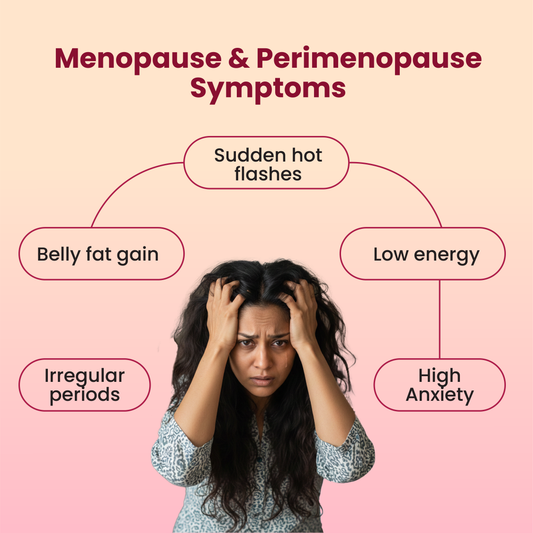
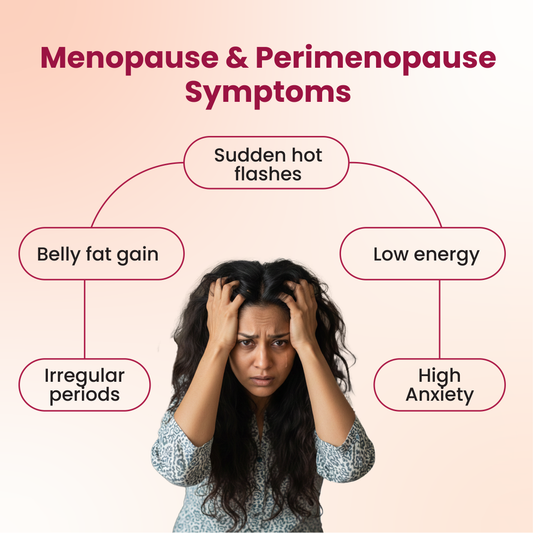
Perimenopause usually begins between the late 30s and mid-40s. The most common early signs are irregular periods, mood changes, sleep disruption, unexplained weight gain, and brain fog. There is no single blood test that confirms it and this diagnosis is based on your age, symptoms, and cycle changes.
Understanding the early signs of perimenopause helps women make sense of what their body is experiencing and seek the right support.
What Is Perimenopause
Perimenopause is the period of hormonal transition that leads up to menopause. During this time, estrogen and progesterone levels rise and fall unpredictably rather than following a steady cycle. This hormonal instability affects multiple systems in the body including the brain, gut, muscles, skin, and metabolism. Perimenopause can last anywhere from a few years to over a decade before menopause officially occurs.
Early Signs of Perimenopause
One of the most common early signs of perimenopause is a change in menstrual cycles. Periods may become irregular, heavier, lighter, shorter, or longer. Some months may feel normal, while others feel unpredictable. These changes happen because ovulation becomes inconsistent as hormone levels fluctuate.
Mood changes are another early indicator. Women often report anxiety, irritability, low mood, emotional sensitivity, or sudden mood swings. These symptoms are linked to estrogen’s influence on brain chemicals such as serotonin and dopamine. Brain fog, forgetfulness, and trouble concentrating are also common during this phase.
Sleep disturbances frequently appear during perimenopause. Difficulty falling asleep, waking up during the night, night sweats, or waking up feeling unrefreshed are all signs of hormonal disruption. Poor sleep can then worsen fatigue, mood changes, and cravings.
Physical Changes During Perimenopause
Many women notice changes in their body composition. Weight gain around the abdomen becomes more common even without changes in diet or activity. Muscle mass may decline, joints may feel stiffer, and recovery from exercise can take longer. Estrogen plays a role in muscle repair, inflammation control, and insulin sensitivity, which explains why these changes become noticeable.
Digestive issues are also common. Bloating, constipation, gas, and increased food sensitivities can appear due to estrogen’s influence on gut motility and the gut microbiome. Skin may become drier, hair may thin, and libido may change as hormone levels fluctuate.
How Perimenopause Is Diagnosed
There is no single test that confirms perimenopause. Blood tests often do not provide clear answers because hormone levels fluctuate daily. A woman may have “normal” hormone levels on a test and still experience strong symptoms. Doctors usually diagnose perimenopause based on age, symptom patterns, and changes in menstrual cycles rather than relying solely on lab results.
What To Do If You Think You Are in Perimenopause
Recognizing perimenopause is the first step. Lifestyle changes such as improving sleep habits, increasing protein intake, strength training, managing stress, and supporting gut health can significantly ease symptoms. Some women benefit from supplements designed for midlife hormonal support, while others may explore options in consultation with a menopause guide.
Dr Sudeshna Ray, gynaecologist and Fellow of the Royal College of Obstetricians and Gynaecologists, explains, “Perimenopause is not a disease. It is a hormonal transition that affects the brain, muscles, gut, and mood. Many women feel confused because the symptoms are systemic, not just menstrual.”
That’s Feeling Needs Your Attention
If you feel unlike yourself in your 40s, it is not in your head. Perimenopause affects the entire body, not just the reproductive system. Understanding the signs allows women to approach this phase with clarity, confidence, and care. With the right support, perimenopause can become a time of strength rather than confusion.
Frequently asked questions
Perimenopause commonly begins between ages 40 and 45, but it can start in the late 30s for some women.
Yes. Many women continue to have regular periods in early perimenopause. Cycle changes often appear gradually.
Yes. Fluctuating estrogen levels affect brain neurotransmitters, which can lead to anxiety, irritability, low mood, and emotional sensitivity.
Not always. Hormone levels fluctuate daily, so symptoms and age are often more reliable indicators than a single blood test.
Perimenopause can last anywhere from four to ten years before menopause occurs.
Perimenopause is the transition phase with fluctuating hormones. Menopause is diagnosed after 12 consecutive months without a period.
Yes. Nutrition, exercise, sleep, stress management, and targeted supplementation can significantly reduce symptoms and improve quality of life.
Final takeaway
Perimenopause is a transition, not a disease. Recognising the signs early lets you get the right support, from nutrition and sleep to a conversation with your doctor.
-

Their plant-based protein powders are a hit with the 25-42 age
-

Made headlines in the industry with India's first peri/menopause protein
-

Gytree Is Reimagining Female Care In India
-

Among the best protein powders for women
-

Iron gummies that work. Ingredients that are clinically tested


More on menopause
View all-

Why Do I Wake Up at 3am During Perimenopause?
Waking at 3am during perimenopause is directly caused by declining estrogen and progesterone disrupting the sleep architecture — specifically the deep sleep and REM cycles that sustain uninterrupted rest. Estrogen...
Why Do I Wake Up at 3am During Perimenopause?
Waking at 3am during perimenopause is directly caused by declining estrogen and progesterone disrupting the sleep architecture — specifically the deep sleep and REM cycles that sustain uninterrupted rest. Estrogen...
-

What Is the Average Age of Menopause in India?
The average age of menopause in India is 46 to 47, two to three years earlier than the global average of 51. Indian women also tend to experience a shorter...
What Is the Average Age of Menopause in India?
The average age of menopause in India is 46 to 47, two to three years earlier than the global average of 51. Indian women also tend to experience a shorter...
-

What Is Perimenopause and How Do I Know I Am in It?
Perimenopause usually begins between the late 30s and mid-40s for Indian women, which is earlier than the global average. The most common early signs are irregular periods, mood changes, sleep...
What Is Perimenopause and How Do I Know I Am in It?
Perimenopause usually begins between the late 30s and mid-40s for Indian women, which is earlier than the global average. The most common early signs are irregular periods, mood changes, sleep...


Top picks to try now
-
Complete Menopause Kit for Women 40+
Regular price Rs. 3,287.00Regular priceUnit price perRs. 3,887.00Sale price Rs. 3,287.00★ 11k+ bought it ★
Sale -

 Bestseller
Total Menopause Support
Regular price Rs. 1,999.00Regular priceUnit price perRs. 2,199.00Sale price Rs. 1,999.00★ 11k+ bought it ★
Sale -

 Bestseller
Gytree Forty Plus Women
Regular price Rs. 640.00Regular priceUnit price perRs. 889.00Sale price Rs. 640.00★ 7k+ bought it ★
Sale -
Daily Menopause Nutrition Duo
Regular price Rs. 2,499.00Regular priceUnit price per★ 3k+ bought it ★