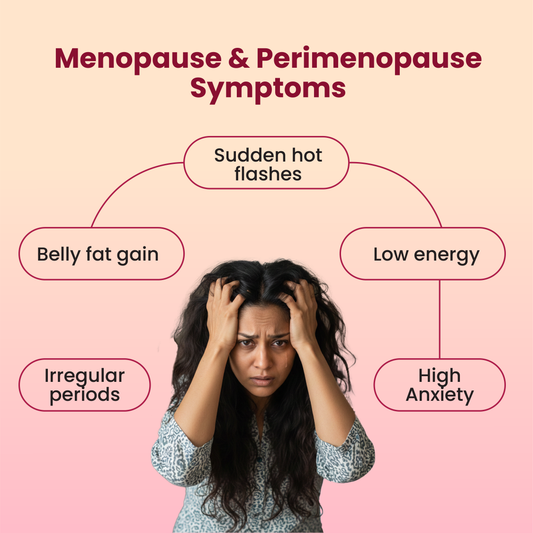
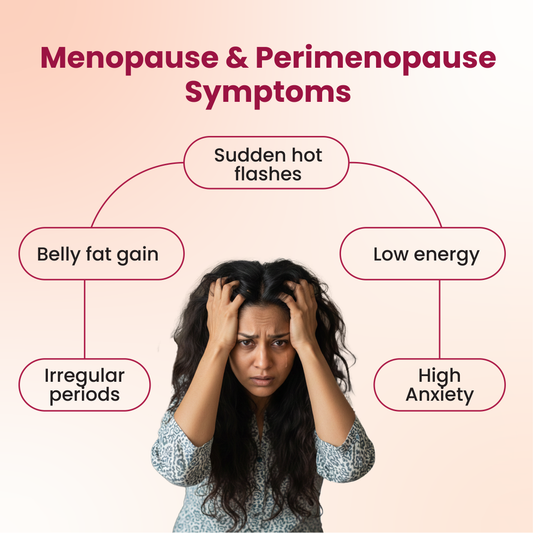
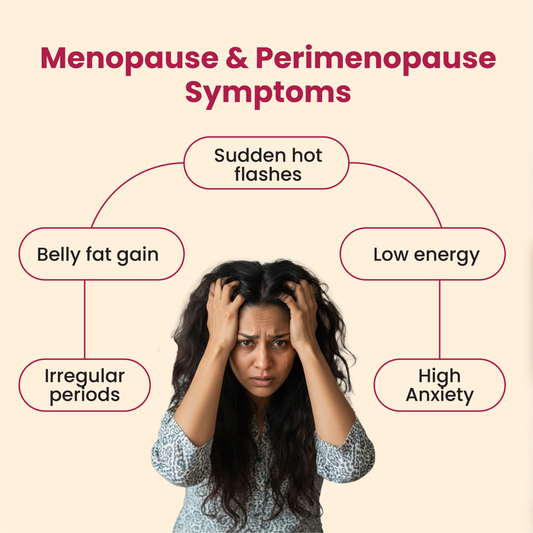
What happens to skin after 40
The Short Answer

Many women notice that after 40, their skin no longer feels the same. It may appear thinner, drier, less elastic, or slower to recover. Fine lines deepen, firmness reduces, and glow feels harder to maintain. While skincare products can help on the surface, the real shift is happening inside the body.
This change is closely tied to declining estrogen levels during perimenopause. Estrogen plays a critical role in collagen production, hydration, and skin thickness. As estrogen fluctuates and drops, the skin loses structural support, making it more vulnerable to dryness, sagging, and texture changes.
Why Protein Matters for Skin Health
Protein is the building block of skin. Collagen, elastin, and keratin are all protein-based structures that give skin its firmness, elasticity, and resilience. After 40, the body becomes less efficient at producing and repairing these proteins, especially when dietary protein intake is inadequate.
Without enough protein, the skin struggles to repair itself. This leads to dullness, uneven texture, delayed healing, and accelerated aging. Increasing protein intake supports the body’s ability to rebuild skin structure from within rather than relying only on topical solutions.
The Estrogen–Protein Connection
Estrogen and protein work closely together. Estrogen helps stimulate collagen synthesis and supports blood flow to the skin, ensuring nutrients reach skin cells. When estrogen levels drop, collagen production declines sharply. Research shows women can lose up to 30 percent of their skin collagen in the first five years after menopause.
Protein helps offset this loss by supplying amino acids needed for collagen and elastin formation. In midlife, protein is not just about muscles or weight management. It becomes essential for maintaining skin thickness, texture, and strength.
Why Skin Texture Changes Feel Sudden
Many women are surprised by how quickly skin changes appear in their 40s. This happens because perimenopause involves hormonal fluctuation rather than a slow, steady decline. Estrogen may spike one month and crash the next, creating visible changes in hydration, sensitivity, and texture.
At the same time, digestion and nutrient absorption may slow with age. Even women who eat “normally” may not be absorbing enough protein to meet midlife needs. This combination makes protein deficiency more visible on the skin.
How Much Protein Does Skin Need After 40
Women over 40 typically require more protein than they did in their 20s and 30s. While needs vary, many experts recommend increasing protein intake to support muscle, bone, and skin health simultaneously.
The key is consistency. Skin repair depends on daily amino acid availability, not occasional high-protein meals. Including protein at every meal helps support ongoing collagen synthesis and skin renewal.
Why Plant-Based Protein Can Be Better for Skin
Not all protein sources work equally well for midlife women. Heavy dairy-based proteins may cause bloating or inflammation, which can show up on the skin as puffiness, breakouts, or dullness.
Plant-based protein options are often easier to digest and come with added benefits like fiber, antioxidants, and anti-inflammatory compounds. When well-formulated, plant protein supports skin repair without stressing the gut, which is especially important after 40 when gut health and skin health become deeply connected.
Gytree’s Approach to Protein and Skin After 40
Gytree’s plant-based protein blends are designed specifically for women navigating perimenopause and menopause. They focus on providing high-quality protein in a form that is gentle on digestion and supportive of hormonal shifts.
By supporting muscle, gut health, and skin together, these blends help women address the root causes of skin texture changes rather than masking symptoms. This inside-out approach recognizes that skin health after 40 is not cosmetic. It is systemic.
The Bigger Picture
Improving skin texture after 40 is not about chasing youth. It is about supporting the body through a hormonal transition with the right nutrition. Protein plays a central role in rebuilding strength, elasticity, and resilience at a cellular level.
When combined with adequate sleep, hydration, movement, and stress management, protein becomes one of the most effective tools for healthy skin aging.
After 40, skin health becomes a reflection of internal strength. Protein is no longer optional nutrition. It is foundational support for skin texture, firmness, and long-term vitality. Choosing the right protein makes the difference between managing visible aging and supporting the body through it.
Frequently asked questions
Yes. Protein provides amino acids needed to build collagen, elastin, and keratin, which directly affect skin firmness and texture.
Declining estrogen reduces collagen production and skin thickness. Protein helps support collagen rebuilding from within.
Most women notice improvements in skin texture, hydration, and firmness within 8 to 12 weeks of consistent protein intake.
Yes. Well-formulated plant-based protein is easier to digest and supports skin health without causing inflammation or bloating.
No. Topical skincare supports the surface, but protein works internally to rebuild skin structure and resilience.
Final takeaway
Plant protein isn’t a trend for women over 40. For many, it’s simply a better match for a changing body.
-

Their plant-based protein powders are a hit with the 25-42 age
-

Made headlines in the industry with India's first peri/menopause protein
-

Gytree Is Reimagining Female Care In India
-

Among the best protein powders for women
-

Iron gummies that work. Ingredients that are clinically tested


More on menopause
View all-

Why Do I Wake Up at 3am During Perimenopause?
Waking at 3am during perimenopause is directly caused by declining estrogen and progesterone disrupting the sleep architecture — specifically the deep sleep and REM cycles that sustain uninterrupted rest. Estrogen...
Why Do I Wake Up at 3am During Perimenopause?
Waking at 3am during perimenopause is directly caused by declining estrogen and progesterone disrupting the sleep architecture — specifically the deep sleep and REM cycles that sustain uninterrupted rest. Estrogen...
-

What Is the Average Age of Menopause in India?
The average age of menopause in India is 46 to 47, two to three years earlier than the global average of 51. Indian women also tend to experience a shorter...
What Is the Average Age of Menopause in India?
The average age of menopause in India is 46 to 47, two to three years earlier than the global average of 51. Indian women also tend to experience a shorter...
-

What Is Perimenopause and How Do I Know I Am in It?
Perimenopause usually begins between the late 30s and mid-40s for Indian women, which is earlier than the global average. The most common early signs are irregular periods, mood changes, sleep...
What Is Perimenopause and How Do I Know I Am in It?
Perimenopause usually begins between the late 30s and mid-40s for Indian women, which is earlier than the global average. The most common early signs are irregular periods, mood changes, sleep...


Top picks to try now
-
Complete Menopause Kit for Women 40+
Regular price Rs. 3,287.00Regular priceUnit price perRs. 3,887.00Sale price Rs. 3,287.00★ 11k+ bought it ★
Sale -

 Bestseller
Total Menopause Support
Regular price Rs. 1,999.00Regular priceUnit price perRs. 2,199.00Sale price Rs. 1,999.00★ 11k+ bought it ★
Sale -

 Bestseller
Gytree Forty Plus Women
Regular price Rs. 640.00Regular priceUnit price perRs. 889.00Sale price Rs. 640.00★ 7k+ bought it ★
Sale -
Daily Menopause Nutrition Duo
Regular price Rs. 2,499.00Regular priceUnit price per★ 3k+ bought it ★